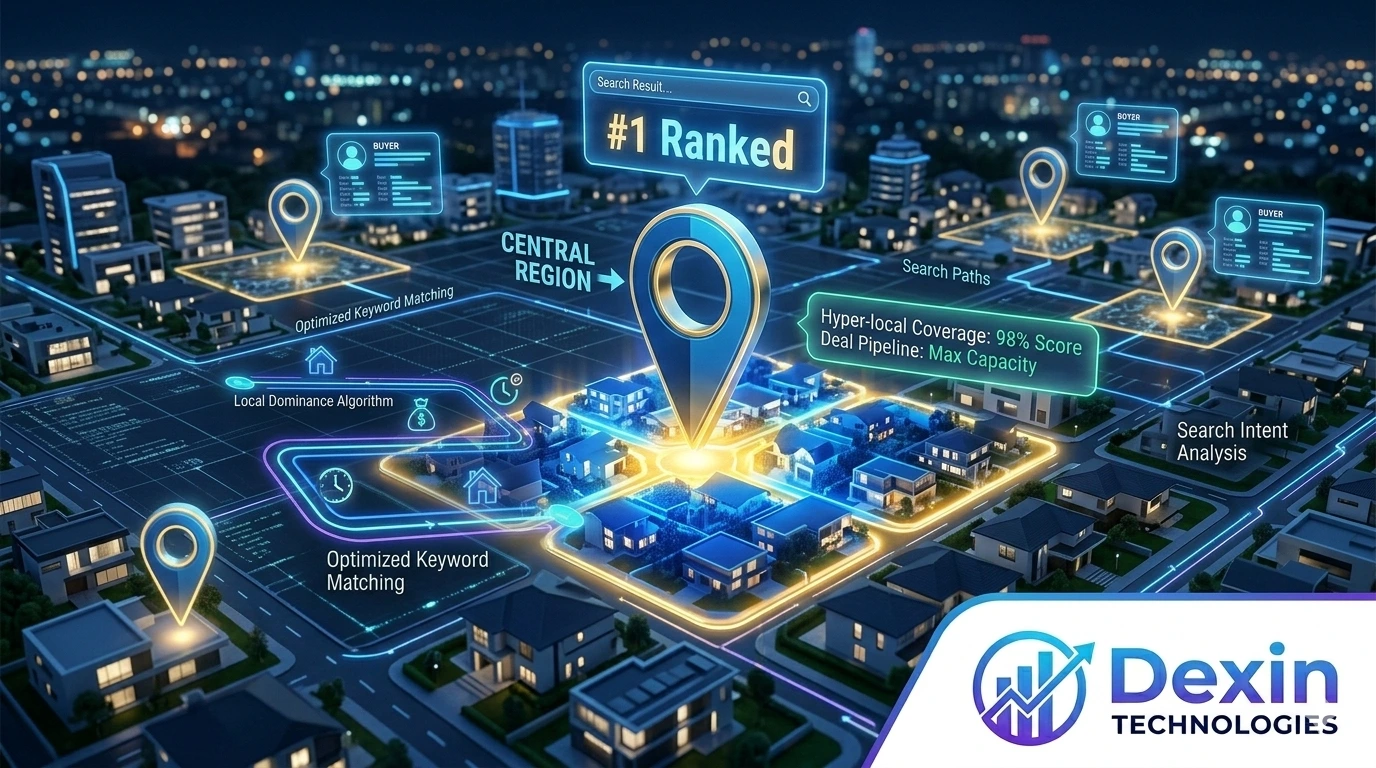


The most successful real estate agents in 2026 have a “secret map.” While their competitors are fighting over the same expired listings on the MLS, these top producers are already sitting in the living rooms of future sellers.
How? By leveraging Predictive Analytics. This isn’t magic—it’s the science of using big data to forecast human behavior.
What is Predictive Analytics in Real Estate?
In 2026, predictive analytics refers to AI-driven software that crunches thousands of data points to assign a Seller Propensity Score to every home in a neighborhood.
Instead of guessing who might sell, you are given a prioritized list of homeowners who are statistically likely to list their home in the next 6 to 12 months.
The “Triggers” That Signal a Future Listing
AI doesn’t just look at house prices; it looks at Life Events and Digital Breadcrumbs. In 2026, the algorithms track specific “Lifestyle Triggers” that historically lead to a move:
1. Financial & Equity Signals
- Mortgage Age: Most homeowners move every 7–10 years. AI flags properties approaching this “tipping point.”
- Equity Growth: Significant spikes in local home values often trigger a “sell-high” mentality.
- Loan-to-Value (LTV) Ratios: Low LTV ratios signal that the owner has the financial freedom to upgrade or downsize.
2. Life Stage Triggers (The “D’s”)
Predictive models analyze public data to spot the “D’s” of real estate:
- Diamonds (Marriage): Upsizing needs.
- Diapers (Births): The need for more square footage or better school districts.
- Divorce & Death: Often results in immediate, non-discretionary sales.
- Downsizing: Identifying “empty nesters” whose home size no longer matches their household count.
3. Consumer Behavioral Data
This is the “2026 Edge.” AI can now detect when a homeowner is:
- Researching local school rankings.
- Applying for home improvement permits (getting the house “market-ready”).
- Browsing furniture for a different climate (signaling a potential relocation).
Turning Data into Dollars: Your Proactive Strategy
Knowing who is going to sell is only half the battle. You must act on the data before the “listing fever” starts.
- Targeted Direct Mail: Send personalized “Home Equity Reports” only to those with high seller scores.
- Social Media “Mirroring”: Run hyper-targeted ads to these specific households using Custom Audiences.
- The “Value” Call: Instead of a cold call, try a “Market Update” call. “I noticed homes in your specific block have jumped 12% in value recently; I wanted to see if you’d like a custom valuation for your records.”
Frequently Asked Questions (FAQ)
How accurate is predictive analytics in 2026?
Current industry leaders like SmartZip and Revaluate report that their algorithms can predict up to 70% of new listings before they hit the market. While not 100%, it significantly reduces your cost-per-acquisition by narrowing your focus.
Is this a violation of homeowner privacy?
No. Predictive analytics primarily uses publicly available data (tax records, census data, deed transfers) and anonymized consumer behavior patterns. In 2026, this is considered a standard “Big Data” marketing practice, similar to how retailers predict consumer needs.
What is the “Seller Propensity Score”?
It is a numerical value (usually 1-100) assigned to a property. A score of 90+ indicates a “High Probability” seller. Agents in 2026 are taught to “obsess” over any lead with a score of 80 or higher.
Can small-scale agents afford these tools?
Yes. By 2026, many CRMs have built-in “Lite” versions of predictive modeling. You no longer need a corporate budget to access neighborhood-level listing forecasts.
Conclusion: The End of “Wait and See”
In the 2026 real estate market, waiting for the phone to ring is a losing strategy. Predictive analytics allows you to be proactive, relevant, and first. By finding the “Gold” before it’s even mined, you secure your pipeline for years to come.